S.09 · Service
SaaS MVP for Fintech
Your fintech product, live and taking transactions, in three to six weeks.
HOW WE WORK
The process we follow.
- 01
Scope
We compress your roadmap to one core loop. The thing users will pay for, stripped to its minimum demonstrable form.
- 02
Stack
Next.js + Postgres + Stripe + Tailwind. Boring, fast, hireable. Your future engineer already knows it.
- 03
Sprint
Daily commits, Friday demos. We build in the open in a private Slack channel, you see every PR.
- 04
Launch
Soft launch with 5–10 design partners, gather feedback, iterate, then open the gates.
Selected work
All projects →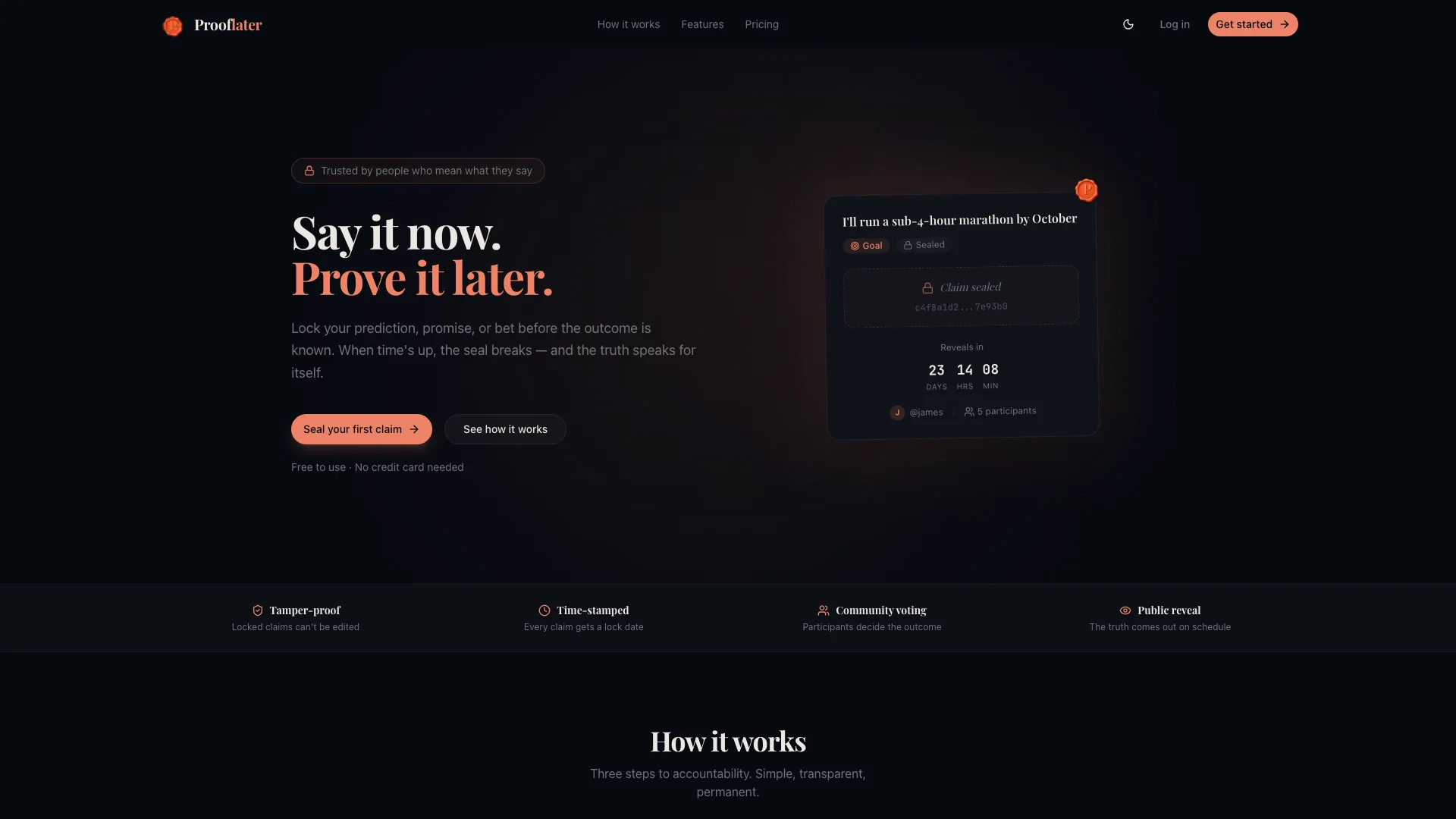
Web Development
Prooflater
A tamper-proof prediction and accountability platform where users seal claims with SHA-256 cryptographic hashing, set countdowns, and reveal outcomes with community voting.
E-commerce
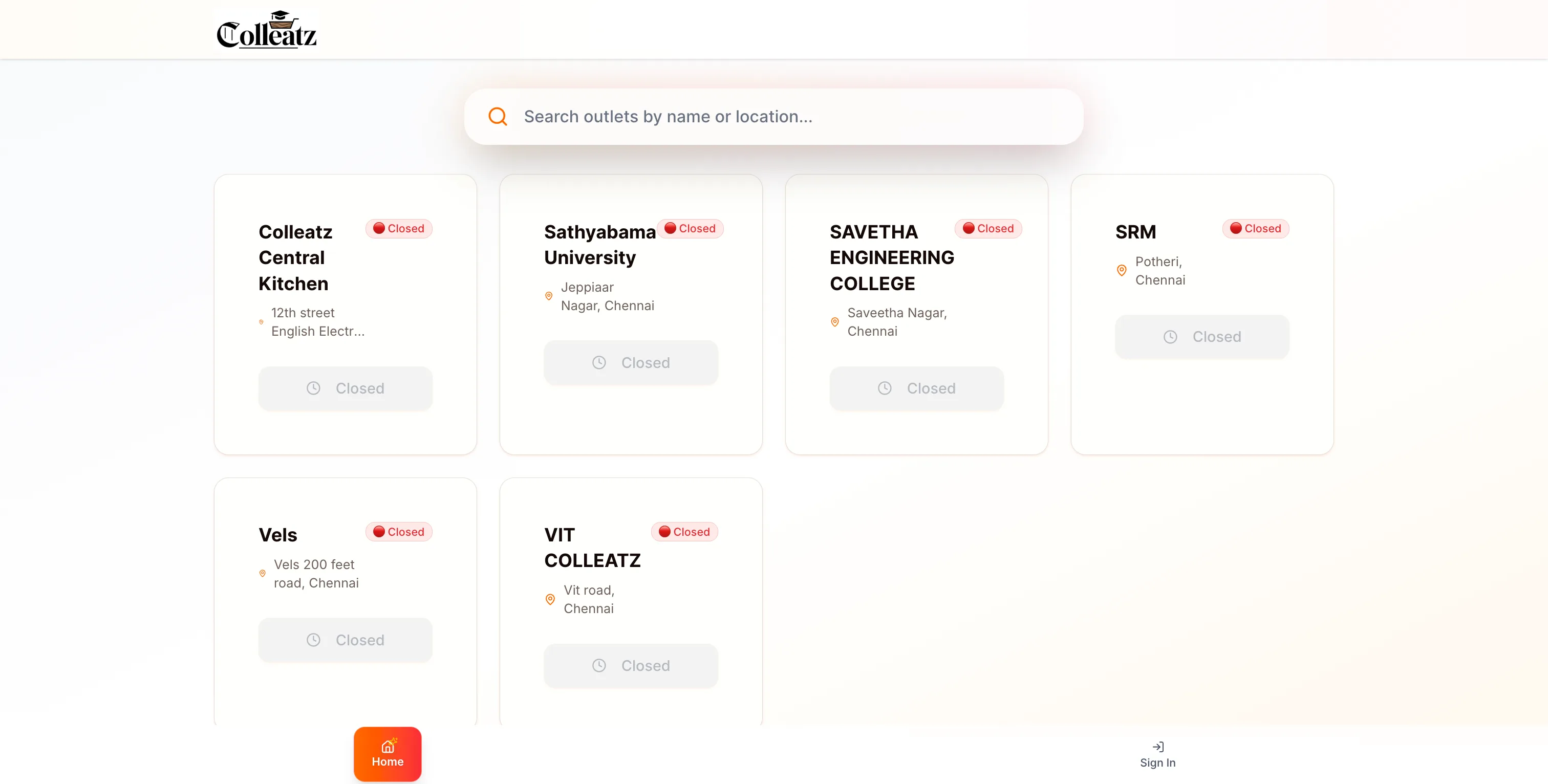
Colleatz
A modern food delivery and ordering platform enabling users to browse, order, and track food from multiple restaurant outlets with real-time updates.
Every engagement is scoped and written down before we start.
Brief us →FIELD NOTES
What clients actually said.
“They turned a Notion page into a live product in three weeks. Friday demos kept me sane — I always knew what was happening.”

Prathviraj Singh
Founder · The Venting Spot
“Finding someone who can actually ship LLM features in production is rare. The studio shipped, then helped me hire a verified builder for the rollout.”

Alex Chen
CEO · Lore Protocol
“I've worked with two big agencies before. CODERCOPS quoted half, shipped twice as fast, and the code is something my team can actually maintain.”

Ryan Riyas
Founder · Colleatz
“The verified-builder bench is the secret weapon. When their team was full, they introduced me to someone who matched the brief perfectly.”

Kavya Patel
Product Lead · Prooflater
BILL OF MATERIALS
The stack we trust.
Frontend
- Next.js 16
- React 19
- TypeScript
- Tailwind CSS 4
- Radix UI
Backend
- Next.js API routes
- Django + DRF
- PostgreSQL
- Redis
- Background jobs
Auth + Billing
- NextAuth
- Stripe
- Polar.sh
- Auth0
Hosting
- Vercel
- Railway
- Neon
- Cloudflare R2
Boring choices on purpose. Plain-stack code outlives the consultant. If you have a stack already, we'll meet you there.
What “MVP” means for a fintech product
It does NOT mean “cheap” or “half-built.” It means the smallest version of your product that can move real money (or real financial data) for real customers, and teach you whether the bigger version is worth building.
The bar is higher in fintech than in most SaaS. A social app can tolerate a bug. A ledger that double-counts a transaction, or a KYC flow that lets the wrong person through, is a different kind of problem. So the “minimum” in your MVP is about scope, not about care. We ship fewer features, built properly, rather than a wide surface that falls over the first time a webhook retries.
The parts of a fintech MVP that have to be right
- Money movement. We integrate Stripe, Plaid, or your banking/ledger provider and treat the write path as the thing that cannot be sloppy. Idempotent transactions so a retried webhook can’t charge twice. Reconciliation views so you can prove your numbers against the provider’s.
- Balances and ledger. If your product holds or tracks value, we model it with double-entry records instead of a single mutable number. It is far cheaper to get this right in week two than to unwind it after a year of live data.
- KYC and onboarding. We build the flow (document upload, identity capture, status and review states) and connect the identity provider you choose. The decisioning stays with the specialist; we make the product around it clear and honest about where a user is stuck.
- The data-heavy UI. Fintech users live in tables, filters, and charts. We build dashboards that stay fast with real volume, export cleanly to CSV, and don’t fall apart when a user has 40,000 rows instead of 40.
Where the line is, honestly
We build your product and integrate your providers. We are not a certified or regulated entity, we don’t provide PCI, SOC 2, or HIPAA sign-off, and we don’t give legal or compliance advice. What we do is build to the security fundamentals every product should have (least-privilege access, encrypted secrets, audit logging, keeping sensitive data out of logs) and to whatever specific compliance requirements you and your counsel hand us. You define the requirements; we implement against them and keep the sensitive paths (card data, identity decisioning) with the certified providers built for them.
What you get
A live, deployed, production-ready fintech app. GitHub repo with full history. Deployment on your domain. Postgres schema with a real ledger model and seed data. Provider webhooks (Stripe, Plaid, or your banking API) tested end to end, with reconciliation you can actually read. KYC/onboarding wired to your chosen identity provider. Audit logging on the money-touching paths. A README that gets a new engineer productive in a day.
And, most important, a product that can take a real transaction from a real customer, in three to six weeks from kickoff.
What we will tell you not to build first
The most useful thing we do in the scoping call is usually subtraction, and in fintech the list is fairly consistent.
An admin panel for a team of two. You are the admin. Query the database or use a spreadsheet export until it genuinely hurts, which is normally around the point you hire your third person.
Multi-currency, before a single currency works. It doubles the ledger complexity and every rounding decision in the product. Add it when a customer is actually waiting to pay you in another currency.
Your own KYC decisioning. Building identity checks in-house is a large, regulated problem with specialist providers who have already solved it. Integrate one.
A mobile app alongside the web app. A responsive web product tells you whether anyone wants this. Two codebases before product-market fit is the most common way a small team runs out of runway with two half-finished things.
None of this is permanent. It is sequencing. The point of the MVP is to find out whether the core loop earns its keep, and every week spent on the list above is a week you are not finding that out.
What to build instead, in order
Sign-up and the one thing your product does. Then the money path, properly, because that is the part you cannot retrofit cheaply. Then whatever your first ten customers ask for twice.
That third step is the one people skip. Ten customers asking for the same thing is signal; one loud customer asking for something is a request. Building for the second is how a focused MVP becomes an unfocused product in about four months.
Common questions
Things people ask first.
We don't take on raw card data or act as a compliance authority. We integrate providers like Stripe that keep card data off your servers (tokenization, hosted fields), so the sensitive path stays with a certified processor. If you have specific PCI, SOC 2, or audit requirements, tell us and we build to them, but we don't provide compliance sign-off ourselves.
Yes. We build the onboarding flow (document upload, identity capture, status states, review queue) and integrate the KYC/identity provider you choose (Persona, Onfido, Plaid Identity, and similar). We wire up the product; the identity decisioning stays with the specialist provider.
We model balances with double-entry records, make transaction writes idempotent so a retried webhook can't double-charge, and build reconciliation views so you can prove the numbers against Stripe or your bank. We treat money-touching code as the part that has to be right, not fast.
Stripe and Plaid most often, plus banking-as-a-service and ledger APIs (Unit, Increase, Modern Treasury, and similar) depending on your model. We handle the webhook plumbing, retries, and reconciliation. If you already have a provider picked, we build to their API.
We build to security fundamentals (least-privilege access, encrypted secrets, audit logging, no sensitive data in logs) and to whatever compliance requirements you specify. We are not a regulated or certified entity and we don't give legal or compliance advice, so pair us with your counsel or compliance lead on the requirements and we implement against them.