S.03 · Service
SaaS MVP Development
Your idea, in production, in three to six weeks.
HOW WE WORK
The process we follow.
- 01
Scope
We compress your roadmap to one core loop. The thing users will pay for, stripped to its minimum demonstrable form.
- 02
Stack
Next.js + Postgres + Stripe + Tailwind. Boring, fast, hireable. Your future engineer already knows it.
- 03
Sprint
Daily commits, Friday demos. We build in the open in a private Slack channel — you see every PR.
- 04
Launch
Soft launch with 5–10 design partners, gather feedback, iterate, then open the gates.
Selected work
All projects →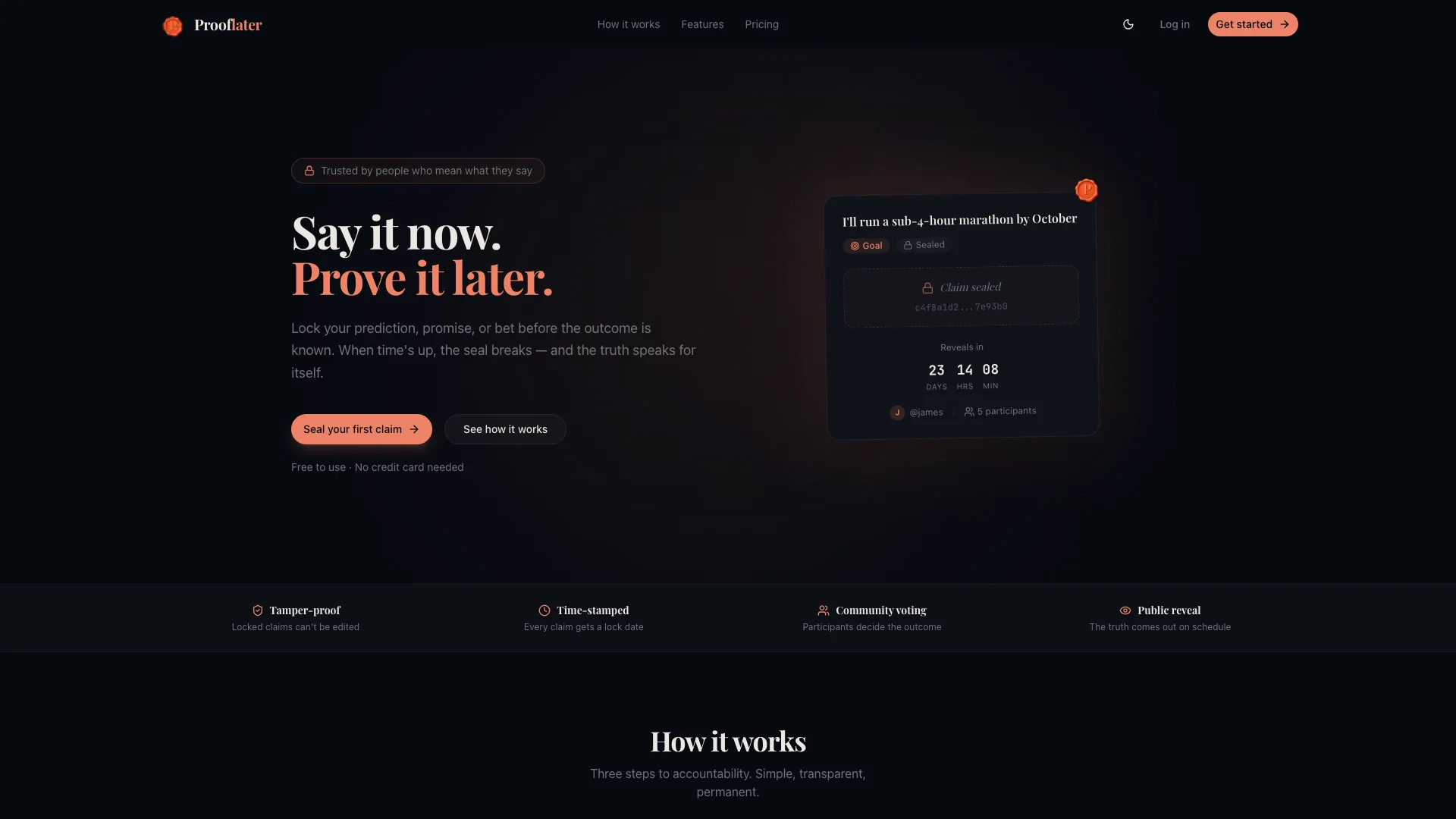
Web Development
Prooflater
A tamper-proof prediction and accountability platform where users seal claims with SHA-256 cryptographic hashing, set countdowns, and reveal outcomes with community voting.
E-commerce
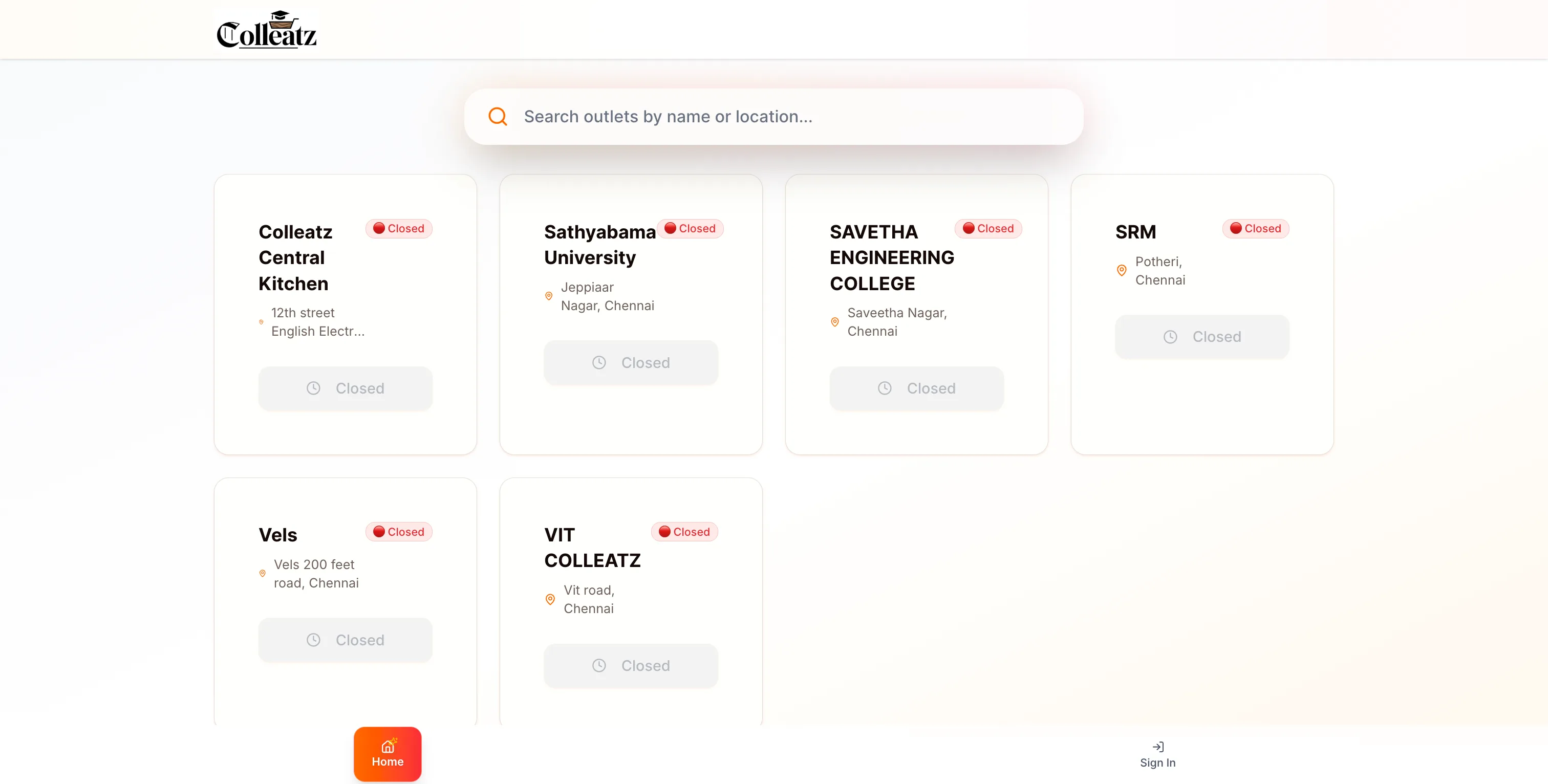
Colleatz
A modern food delivery and ordering platform enabling users to browse, order, and track food from multiple restaurant outlets with real-time updates.
Every engagement is scoped and written down before we start.
Brief us →FIELD NOTES
What clients actually said.
“They turned a Notion page into a live product in three weeks. Friday demos kept me sane — I always knew what was happening.”

Prathviraj Singh
Founder · The Venting Spot
“Finding someone who can actually ship LLM features in production is rare. The studio shipped, then helped me hire a verified builder for the rollout.”

Alex Chen
CEO · Lore Protocol
“I've worked with two big agencies before. CODERCOPS quoted half, shipped twice as fast, and the code is something my team can actually maintain.”

Ryan Riyas
Founder · Colleatz
“The verified-builder bench is the secret weapon. When their team was full, they introduced me to someone who matched the brief perfectly.”

Kavya Patel
Product Lead · Prooflater
BILL OF MATERIALS
The stack we trust.
Frontend
- Next.js 16
- React 19
- TypeScript
- Tailwind CSS 4
- Radix UI
Backend
- Next.js API routes
- Django + DRF
- PostgreSQL
- Redis
- Background jobs
Auth + Billing
- NextAuth
- Stripe
- Polar.sh
- Auth0
Hosting
- Vercel
- Railway
- Neon
- Cloudflare R2
Boring choices on purpose. Plain-stack code outlives the consultant. If you have a stack already, we'll meet you there.
What “MVP” means here
It does NOT mean “cheap” or “incomplete.” It means the smallest version of your product that can earn revenue from real customers and teach you whether the bigger version is worth building.
That’s a higher bar than most agencies set. We won’t ship a landing page with a “join waitlist” button and call it an MVP. An MVP that can’t take money isn’t an MVP — it’s a brochure.
The four things every SaaS MVP needs
- Authentication that actually works on day 1 — email, password reset, magic links, optional OAuth, optional 2FA. Not rolled by hand. We use battle-tested patterns.
- Billing that handles upgrades, downgrades, trials, dunning, and tax. Stripe + Polar covers 99% of cases. We’ve shipped this twenty times.
- Multi-tenancy if your product is team-shaped (most B2B SaaS is). Workspaces, team invites, role-based access. Wrong from day one is hard to undo on year two.
- Admin tooling — for you, not your customers. Impersonate users, refund charges, see who’s stuck where. Without it you’ll burn 10 hours/week on support tickets.
What you get
A live, deployed, production-ready SaaS app. GitHub repo with full history. Deployment on your domain. Database with seed data. Stripe webhooks tested. Onboarding email templates. A README that gets a new engineer productive in a day.
And — most important — a working business that can take money from real customers, in three to six weeks from kickoff.
Common questions
Things people ask first.
Yes. We pick infrastructure that scales horizontally — Postgres + Redis + edge functions. The MVP and the post-Series-A architecture are the same; only the dials change.
If your MVP needs a mobile app, see Startup App Development. Pure-SaaS MVPs are web-first, mobile-responsive.
Good. We optimize for hand-off — boring stack (Next.js, Postgres, Stripe), clean code, README that gets a new engineer productive in a day.
Almost certainly yes. Standard integrations (Stripe, Postmark, Twilio, Slack, Salesforce) are part of any MVP build.
Yes — but we recommend bringing your own designer if you have strong opinions on visual identity. Our defaults are good but they're defaults.
More services
SaaS MVP for Fintech
Take an early-stage fintech idea from spec to a live product in three to six weeks. Dashboards, payment and ledger integrations, KYC/onboarding, and the data-heavy UIs your users live in, built to the security and compliance requirements you set.
AI Chatbot Development
Drop-in AI chat widgets, support bots, and conversational copilots. Trained on your content, cited answers, multi-provider with fallbacks. Embed and forget.
AI Development Services
Production LLM features — copilots, classifiers, content engines, agentic workflows. We pick the right model, write the right guardrails, and run the right evals so it still works on day 90.